Movement
Interrupt the seated pattern and restore comfortable motion through the upper back, hips, and ankles.

Fitness for crane operators
Long shifts in the seat demand more than patience. Operator Fitness is a practical system for moving better, staying strong, and building the work capacity to finish the shift with something left in the tank.

Proof of consistency
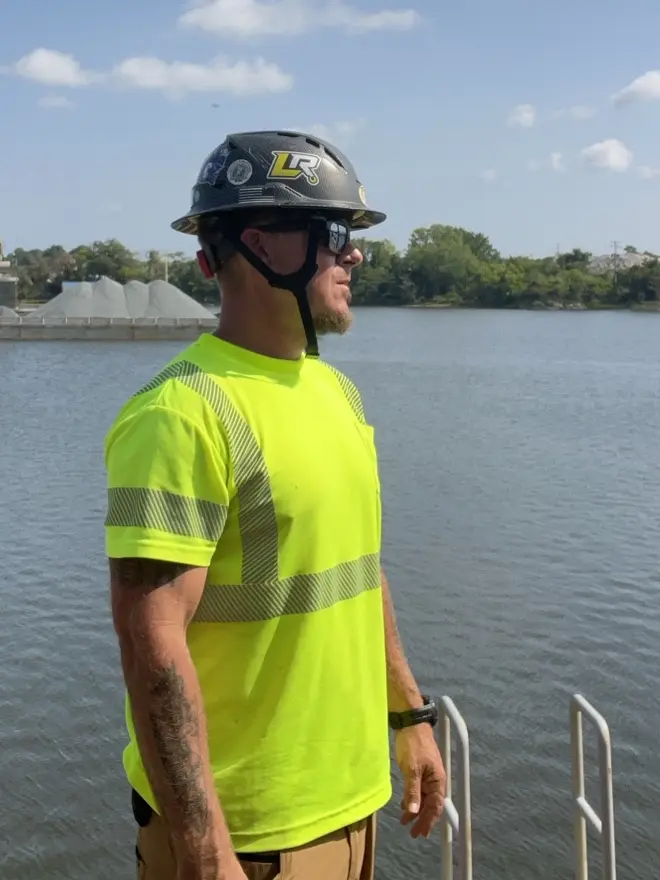
John did not wait for the job to slow down or for more time to appear. The shifts, responsibilities, and physical demands stayed. What changed was the standard applied outside the seat—consistent training, better nutrition, recovery, and ownership of his health.
The schedule did not change first. The standard did.

The physical standard
Crane work combines long static postures, repeated control inputs, awkward access, and the need to stay mentally sharp. The answer is not a punishment workout. It is a repeatable base built around the job.
Interrupt the seated pattern and restore comfortable motion through the upper back, hips, and ankles.
Train the legs, hips, back, trunk, grip, and pushing muscles that support everyday work and durable posture.
Build an aerobic base so stairs, access, walking the site, and the rest of life do not empty the tank.
Five-minute shift reset
Use this sequence only after the crane is secure, you are fully relieved from the controls, and site conditions permit. Nothing in this routine belongs in an active operating cycle.
Stand tall and take five slow breaths. Let the shoulders drop and bring your head back over your ribs.
Use a doorway or sturdy surface for a gentle chest stretch. Hold 20 seconds without forcing the range.
Take a split stance, lightly tuck the pelvis, and hold a controlled hip-flexor stretch for 20 seconds per side.
Perform 10 controlled ankle rocks per side, then 15 calf raises while holding a stable surface if needed.
Complete 8 slow sit-to-stands or bodyweight squats through a comfortable, controlled range.
Finish with a short walk when the site and shift allow. Even a few minutes breaks the static pattern.
The Operator Base
Start with two nonconsecutive sessions each week. Choose a version of each movement that fits your experience and equipment. Keep every rep controlled and leave two or three good reps in reserve.
The first objective is consistency—not exhaustion. Avoid unfamiliar, maximal-effort training before a shift or any lift where fatigue could affect safe access, setup, or operation.
Weekly operating standard
The federal physical activity guideline for adults is 150–300 minutes of moderate aerobic activity per week plus muscle-strengthening work on at least two days. If you are below that now, start with what you can repeat and build gradually.
Use the five-minute sequence after long seated blocks when relief and site conditions allow.
Complete Session A and Session B on nonconsecutive days.
Accumulate brisk walking, cycling, or another sustainable option across the week.
Adjust volume when sleep, overtime, heat, access, or the work itself raises total fatigue.
Fuel the work
Consistency also depends on the basics: food quality, protein, hydration, and recovery. For operators who choose to use supplements, John's 1st Phorm Legionnaire page is available as a direct resource.
John's recommended resource
Visit 1st Phorm ↗Legionnaire referral disclosure: Lift Right founder John Hoggard may receive credit or compensation from qualifying purchases made through this link. Supplements are optional and are not a substitute for appropriate nutrition, medical care, or safe training.
Before you begin
This material is general education, not individualized medical care, rehabilitation, or a substitute for your employer's procedures. Modify exercises to your ability and environment. If you have a known medical condition, recent injury or surgery, or are returning after a long layoff, consult an appropriate healthcare professional before beginning.
Stop and seek medical guidance for chest discomfort, dizziness, fainting, unusual shortness of breath, or sharp or worsening pain. A fitness session never overrides site rules, fatigue-management requirements, or safe crane operation.
Built from the field
This is the foundation of Lift Right's operator-specific fitness system. Use it, tell us where the seat beats you up, and help shape what comes next.